

For materials, it is important to consider not only the fire classification at the time of delivery, but also the outdoor durability. Under the influence of rain, sunlight, wind and temperature fluctuations, the properties of a product may change, including its fire behaviour. This is particularly relevant for products with improved fire performance, such as fire-retardant treated timber façade cladding.
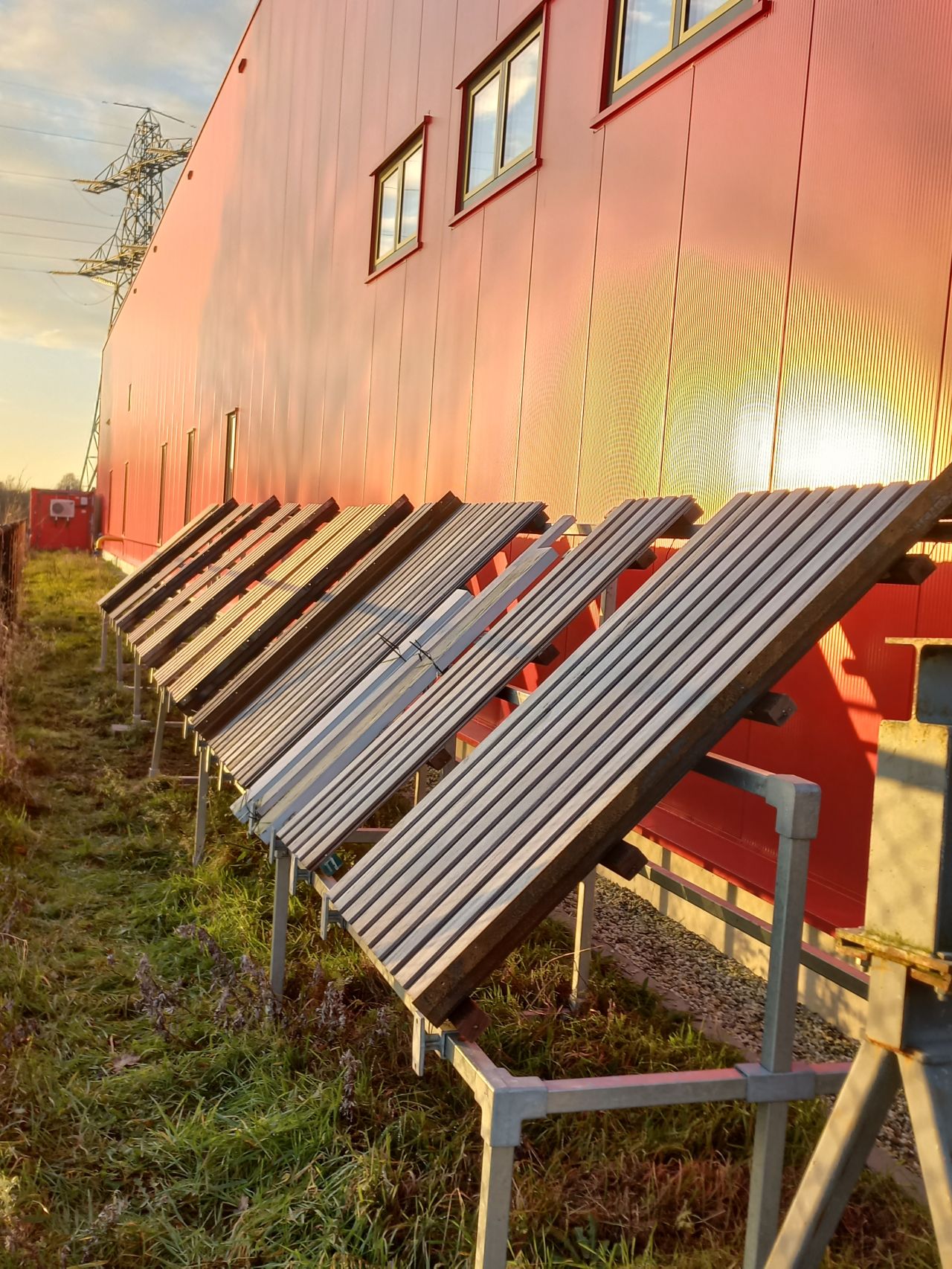
To investigate this, the Fire Safety Laboratory offers an outdoor exposure test in accordance with EN 16755 (and EN 927-3). Fire-retardant impregnated wood, fire-retardant coated wood or another product is placed outdoors for a minimum of one year in a dedicated exposure frame, tilted at 45° facing south (ISO 2810). This setup is intended to accelerate the ageing process.
In addition to exposing and testing two complete SBI wings in accordance with EN 13823, the equilibrium moisture content of the wood is determined at 27 °C and 95% relative humidity. Based on this, the corresponding durability class can be established.
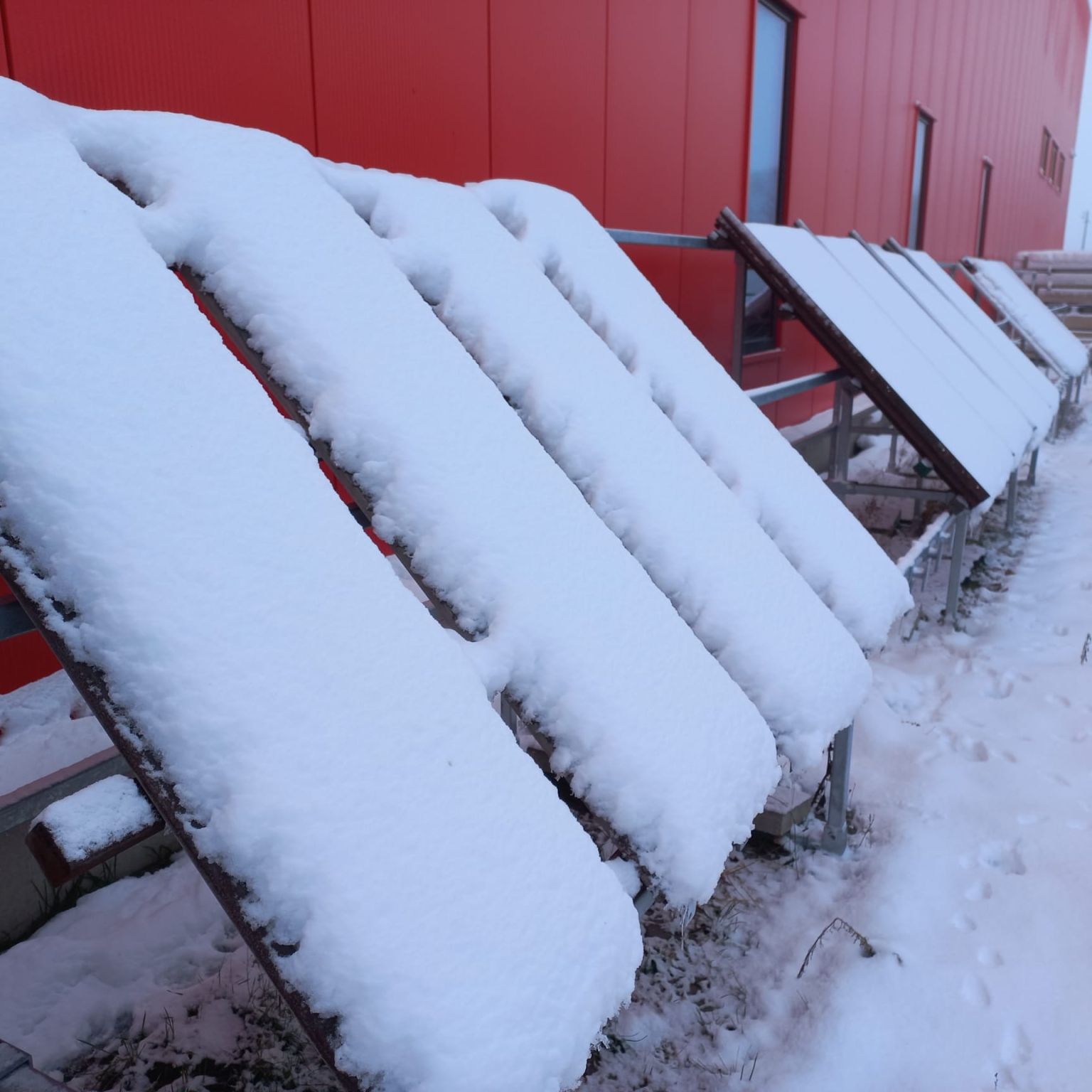
After establishing the fire classification, it may be desirable to investigate whether the fire behaviour of the product is maintained over the long term. By exposing the product to weathering conditions for one year, it can be determined whether performance changes as a result of weathering.
After one year of weathering (or longer), the SBI test is repeated. This provides insight into the durability of the fire-retardant treatment under realistic weather conditions.
For more information, please contact one of our advisors.


